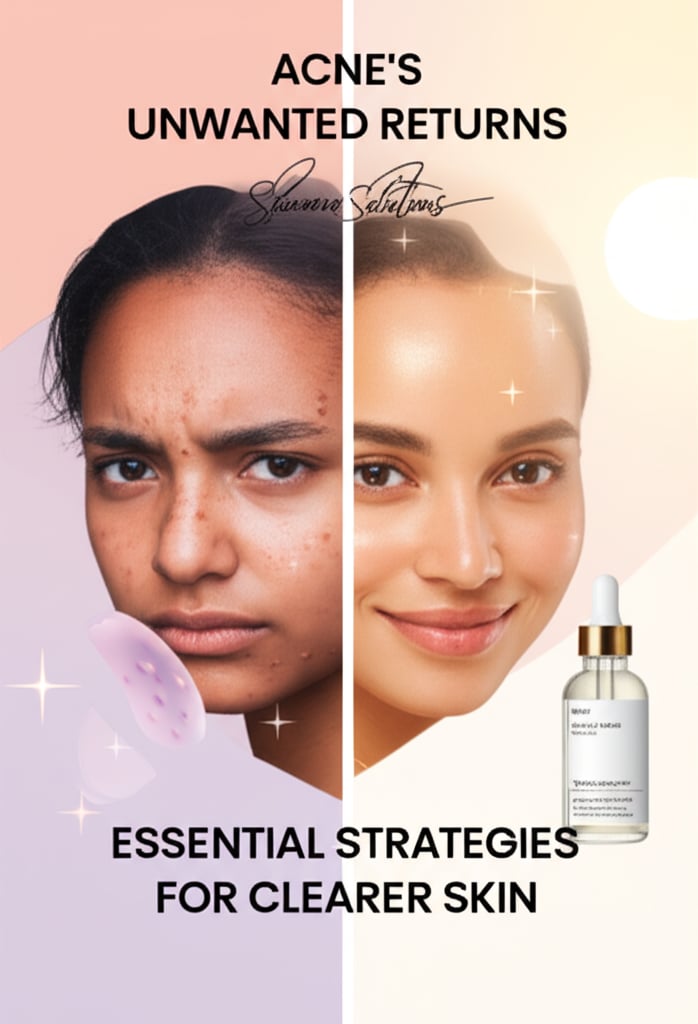
Acne's Unwanted Returns: Essential Strategies for Clearer Skin
Read about Acne's Unwanted Returns: Essential Strategies for Clearer Skin on Cosmi Skin
The pervasive distress of enduring acne flare-ups resonates with countless individuals, often eroding their self-assurance and overall sense of well-being. While commonly associated with teenage years, acne has a remarkable propensity to re-emerge or even manifest for the very first time in adulthood, presenting its own distinct set of hurdles. Gaining insight into the intricate dance of elements that orchestrate these unwelcome recurrences serves as the foundational step toward effective management and the sustained achievement of clear, healthy skin. This comprehensive guide delves into the underlying catalysts, scrutinizes established treatment protocols, and underscores the pivotal significance of individualized approaches in the journey to reclaiming dermal vitality.
Unraveling the Roots of Recurring Breakouts
Persistent acne is seldom a straightforward ailment; it typically presents as a multifaceted condition shaped by a confluence of internal and external influences. Hormonal fluctuations stand out as a primary instigator, particularly when it comes to adult-onset acne. Shifts tied to menstrual cycles, pregnancies, heightened stress levels, or specific medical conditions like Polycystic Ovary Syndrome (PCOS) can trigger an amplification of sebum production, which subsequently leads to congested pores and inflammation. Online forums and communities frequently host narratives from individuals, especially women in their twenties, recounting severe exacerbations after discontinuing hormonal contraceptives, vividly illustrating the profound connection between endocrine balance and skin health.
Genetic predispositions also play an undeniable part, dictating an individual's susceptibility to acne. If immediate family members or close relatives have grappled with persistent breakouts, there's an elevated probability that one might encounter comparable challenges. Furthermore, chronic low-grade inflammation within the body, sometimes linked to specific dietary elements or imbalances in gut microbiota, can express itself on the skin as stubborn, recurring lesions. Environmental contributors, such as elevated humidity, atmospheric pollutants, and even particular components found in skincare products, can similarly perpetuate the cycle of recurrent acne. Understanding these various drivers is paramount for developing a truly effective strategy.
Key Takeaway: Persistent acne is a multifaceted challenge, often rooted in hormonal shifts, genetic predispositions, and inflammatory responses. Identifying these core drivers is essential for tailored treatment.
Navigating Topical Treatments and Common Pitfalls
Topical applications constitute the bedrock of acne management for a vast majority, precisely targeting issues such as bacterial proliferation, inflammatory responses, and aberrant cellular turnover. Ingredients like retinoids (including Tretinoin and Tazarotene), benzoyl peroxide, and clindamycin are routinely prescribed due to their well-documented efficacy.
Tretinoin: Best Practices for Effective Use
Tretinoin, a formidable retinoid, is extensively lauded for its capacity to alleviate acne and enhance skin texture. Nevertheless, a wealth of online discussions and expert observations indicate that numerous individuals encounter considerable irritation, a temporary "purging" phase, or even a worsening of their acne symptoms due to widespread application errors. Mastering its correct usage is absolutely vital for achieving desired outcomes.
Here are indispensable guidelines for integrating Tretinoin into your regimen with maximum effectiveness:
- Start Slowly and Infrequently: Your initial application must be exceptionally gradual. Commence by utilizing a minuscule, pea-sized quantity only once or twice weekly, allowing your skin ample time to gradually adjust. Resist any temptation to prematurely escalate the frequency, even if a dermatologist suggests daily application; your skin's unique level of sensitivity should always dictate the pace of progression. Pushing too quickly can lead to a compromised skin barrier, making breakouts worse and recovery longer.
- Simplify Your Skincare Routine: Throughout the crucial initial adjustment phase (which frequently spans several months), streamline your skincare regimen to its bare essentials: a mild, non-stripping cleanser, a deeply hydrating, emollient moisturizer, and a broad-spectrum SPF of at least 30. Strictly abstain from incorporating other potent active ingredients such as Alpha Hydroxy Acids (AHAs), Beta Hydroxy Acids (BHAs), or Vitamin C, as these can severely aggravate irritation and undermine the integrity of your skin barrier. Only contemplate reintroducing other actives once your skin has fully acclimatized and tolerates Tretinoin without any discomfort or adverse reactions. This cautious approach prevents a cascade of skin issues.
- Prioritize Hydration and Barrier Support: Tretinoin is well-known for inducing dryness, flaking, and redness. To effectively counteract these undesirable effects, consistently employ a robust, non-comedogenic moisturizer. Applying moisturizer before Tretinoin (the "sandwich method") or mixing it with your moisturizer can often mitigate irritation, particularly for sensitive skin types. Look for ingredients like ceramides, hyaluronic acid, and glycerin that help repair and maintain the skin's protective barrier. Proper hydration is not merely about comfort; it is fundamental to the skin's health and its ability to tolerate the retinoid.
- Application Timing is Key: Tretinoin should always be applied to thoroughly dry skin, typically 20-30 minutes after cleansing, to minimize potential irritation. Applying it to damp skin can enhance absorption too quickly, leading to increased side effects. Since it causes photosensitivity, evening application is strongly recommended. Consistent night-time use allows the active ingredients to work undisturbed while you sleep.
- Be Patient and Consistent: The benefits of Tretinoin are not instantaneous. It often takes 8-12 weeks, and sometimes even longer (up to six months), to observe significant improvement. The initial "purging" phase, where acne might temporarily worsen, is a common and expected part of the process as the retinoid accelerates cell turnover. Consistency is paramount; skipping applications frequently will impede progress. Trust the process, even through the challenging initial phases, and understand that long-term results require dedication.
Benzoyl Peroxide: A Potent Ally
Benzoyl peroxide is another foundational topical treatment renowned for its powerful antibacterial properties and its ability to shed dead skin cells. It works by releasing oxygen into the pore, creating an environment inhospitable to P. acnes bacteria (now known as Cutibacterium acnes), while also aiding in the exfoliation of clogged pores.
Effective Use Tips for Benzoyl Peroxide:
- Start with Lower Concentrations: Begin with 2.5% or 5% formulations to assess skin tolerance before progressing to higher concentrations like 10%, if necessary.
- Apply Sparingly: A thin layer is sufficient. Applying too much can lead to excessive dryness, peeling, and redness.
- Beware of Bleaching: Benzoyl peroxide can bleach fabrics (towels, pillowcases, clothing), so exercise caution during application and ensure it's fully absorbed or washed off before contact with textiles.
- Combine with Moisturizer: Like retinoids, it can be drying. Always follow with a good, non-comedogenic moisturizer.
Clindamycin: Targeting Bacterial Overgrowth
Clindamycin, an antibiotic, works primarily by inhibiting the growth of acne-causing bacteria. It's often prescribed in conjunction with other treatments, such as benzoyl peroxide, to prevent bacterial resistance and enhance overall efficacy.
Key Considerations for Clindamycin:
- Prescription Only: Topical clindamycin is a prescription-only medication.
- Combination Therapy: It's frequently used with benzoyl peroxide, as the latter helps prevent bacterial resistance that can develop when antibiotics are used alone.
- Anti-inflammatory: Beyond its antibacterial action, clindamycin also possesses anti-inflammatory properties, which help reduce the redness and swelling associated with acne lesions.
Beyond Topicals: Advanced Treatment Methodologies
While topical treatments form the initial line of defense, persistent or severe acne often necessitates a broader spectrum of interventions. Modern dermatology offers a diverse arsenal of advanced methodologies designed to tackle acne from multiple angles, offering hope and solutions where simpler approaches may fall short.
Oral Medications for Systemic Control
When topical applications prove insufficient, dermatologists often turn to oral medications that work systemically throughout the body to control acne.
- Oral Antibiotics: Drugs like doxycycline, minocycline, and azithromycin are prescribed for their anti-inflammatory properties and their ability to reduce C. acnes bacteria. They are typically used for a limited duration to mitigate the risk of antibiotic resistance and potential side effects like sun sensitivity or gastrointestinal upset. They serve as a bridge to other long-term solutions.
- Hormonal Therapies: For women, oral contraceptives or spironolactone can be highly effective, especially when acne is linked to hormonal imbalances like those seen in PCOS or during menstrual cycles. These medications work by regulating androgen levels, which directly influence sebum production.
- Isotretinoin (Accutane): Considered the most potent oral treatment, isotretinoin is a retinoid derivative reserved for severe, nodulocystic acne that has not responded to other therapies. It works by profoundly reducing sebum production, normalizing follicular keratinization, and exerting anti-inflammatory effects. While highly effective, it requires strict medical supervision due to potential side effects and the need for monthly blood tests and pregnancy prevention programs (IPLEDGE in the US). It represents a significant commitment but can lead to long-term remission for many.
In-Office Procedures for Targeted Intervention
Dermatological clinics offer a range of procedures that can complement topical and oral therapies, providing faster relief or addressing specific acne-related concerns.
- Chemical Peels: Professional-grade chemical peels, using agents like salicylic acid, glycolic acid, or trichloroacetic acid (TCA), can exfoliate the skin, unclog pores, reduce inflammation, and improve skin texture. They are particularly effective for comedonal (blackhead/whitehead) acne and mild-to-moderate inflammatory acne.
- Laser and Light Therapies:
- Blue Light Therapy: Targets and destroys C. acnes bacteria.
- Red Light Therapy: Reduces inflammation and promotes healing.
- Pulsed Dye Lasers (PDL): Can help reduce the redness associated with inflammatory acne and post-inflammatory erythema (PIE).
- Fractional Lasers: Used primarily for treating acne scars, but some types can also improve active acne by reducing oil gland activity.
- Corticosteroid Injections: For large, painful, inflammatory cysts or nodules, a dilute corticosteroid injection directly into the lesion can rapidly reduce inflammation and prevent scarring. This is typically a spot treatment for acute flare-ups.
- Comedone Extractions: A dermatologist can safely extract stubborn blackheads and whiteheads using sterile tools, preventing them from progressing into inflammatory lesions. This should only be performed by a trained professional to avoid scarring and infection.
The Crucial Role of Personalized Strategies and Lifestyle
Achieving long-term skin clarity extends beyond medical interventions; it deeply integrates with an individual's daily habits, psychological well-being, and a tailored approach to care. Recognizing that everyone's skin story is unique is paramount to crafting an effective, sustainable strategy.
Holistic Lifestyle Adjustments
- Dietary Considerations: While a direct, universal "acne diet" remains debated, many individuals find that certain foods exacerbate their breakouts. Common culprits often include high-glycemic index foods (refined sugars, white bread), dairy products, and sometimes whey protein. Paying attention to how your body reacts to specific foods and potentially consulting with a nutritionist can help identify personal triggers. The goal is not punitive restriction but understanding your unique inflammatory responses.
- Stress Management: The undeniable link between stress and acne is mediated by cortisol, the "stress hormone," which can stimulate oil glands and inflammation. Incorporating stress-reducing practices like mindfulness, meditation, yoga, regular exercise, or even simply ensuring adequate sleep can significantly improve skin health. Think of it as tending to the garden from within.
- Quality Sleep: Sleep is when the body repairs and regenerates. Chronic sleep deprivation can elevate stress hormones, leading to increased inflammation and impaired skin barrier function, both of which contribute to acne. Aim for 7-9 hours of quality sleep nightly to support your skin's natural healing processes.
- Appropriate Skincare Practices: Beyond medicated treatments, the foundation of a healthy skin barrier involves using gentle, non-comedogenic products. Over-washing or using harsh scrubs can strip the skin of its natural oils, leading to compensatory oil production and irritation. A consistent, gentle routine tailored to your skin type is more beneficial than an aggressive one. Ensure all makeup, especially after exercise, is removed thoroughly.
- Exercise and Hygiene: Regular physical activity boosts circulation and reduces stress. However, it's crucial to cleanse skin promptly after sweating, especially after vigorous workouts, to prevent sweat and bacteria from clogging pores. Showering immediately after exercise, wearing clean workout clothes, and avoiding tight headbands or hats can make a difference.
The Power of Patience and Consistency
Acne treatment is a marathon, not a sprint. There are no overnight cures, and significant improvements often require weeks to months of diligent effort. It's common to feel disheartened during the initial purging phase or when results are slow to appear. However, unwavering consistency in your prescribed routine and lifestyle adjustments is the most critical factor for success. Skipping applications or reverting to old habits will inevitably hinder progress. Trust in the scientific basis of the treatments and the power of gradual change.
The Indispensable Role of Professional Guidance
While this guide provides comprehensive insights, self-treating persistent acne can be frustrating and may lead to suboptimal outcomes or even worsening conditions. A board-certified dermatologist is an invaluable partner in this journey. They can:
- Accurately Diagnose: Distinguish acne from other skin conditions and identify specific acne types (comedonal, inflammatory, cystic).
- Identify Underlying Causes: Help uncover hormonal imbalances or other systemic factors contributing to your acne.
- Prescribe Tailored Treatments: Offer access to prescription-strength topicals, oral medications, and in-office procedures that are not available over-the-counter.
- Adjust Regimens: Modify your treatment plan based on your skin's response, tolerance, and evolving needs.
- Manage Side Effects: Provide strategies to mitigate dryness, irritation, or other adverse reactions from treatments.
- Address Scarring: Offer solutions for post-inflammatory hyperpigmentation (PIH), erythema (PIE), and textural acne scars.
Collaborating with a dermatologist ensures that your treatment plan is evidence-based, optimized for your unique skin, and evolves as your skin's needs change. It is an investment in long-term skin health and clarity.
Conclusion: Reclaiming Confidence Through Clarity
The journey to clear skin, particularly when grappling with persistent or adult acne, can feel arduous and emotionally taxing. However, by embracing a holistic and informed approach, sustainable results are well within reach. This involves diligently unraveling the complex interplay of factors contributing to breakouts, from hormonal shifts and genetics to environmental stressors and dietary influences. It necessitates a strategic embrace of proven treatment methodologies, from meticulously applied topical agents to, when indicated, advanced oral medications and in-office procedures. Crucially, it demands a profound commitment to personalized strategies, weaving together mindful lifestyle choices, unwavering consistency, and the invaluable partnership of professional dermatological expertise.
Remember, clear skin is not merely about aesthetics; it is profoundly intertwined with one's confidence, mental well-being, and overall quality of life. By understanding the science, committing to the process, and seeking expert guidance, you empower yourself to break free from the cycle of recurring breakouts and confidently step into a future of enduring skin clarity. Your path to healthier skin is a testament to perseverance and self-care.