AI for Combination Skin: Balancing Your Complexion Perfectly
Read about AI for Combination Skin: Balancing Your Complexion Perfectly on Cosmi Skin
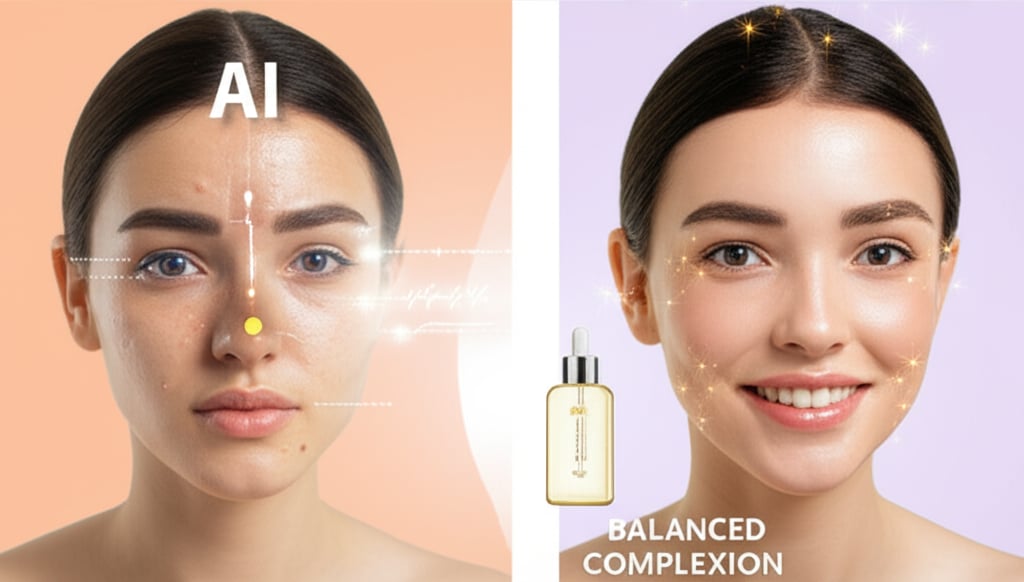
The conventional wisdom for combination skin—a simple balancing act—rarely matches the nuanced reality, leaving many in an endless cycle of trial and error. The search for products that address both oiliness and dryness without aggravating either can feel impossible. It is time to move beyond the guesswork.\n\nImagine a skincare routine precisely tailored to every part of your face, adapting in real-time to your skin's changing demands. This is not a futuristic concept; it is the present reality, powered by Artificial Intelligence. AI-powered skincare replaces this guesswork with a data-driven path to a perfectly balanced complexion.\n\n## Beyond the T-Zone: How AI Redefines Combination Skincare\n\nNavigating the complexities of combination skin can often feel like an unending guessing game. Despite the global skincare market being projected to reach $273.3 billion by 2031, many consumers still find themselves frustrated, grappling with basic issues their products simply don't address. Traditional skincare approaches offer broad categories like 'oily' or 'dry,' which are fundamentally inadequate for skin that demands both oil control and hydration simultaneously.\n\nThis is where artificial intelligence steps in, transforming the landscape from guesswork to data-driven precision. AI systems meticulously analyze your unique skin profile, factoring in everything from your lifestyle and diet to environmental conditions. This revolutionary approach moves beyond the outdated 'one-size-fits-all' product mentality to deliver a truly 'segment-of-one' regimen, precisely tailored for you.\n\nLeading innovators are already proving this concept. L’Oréal’s SkinConsult AI and Proven Skincare’s Skin Genome Project leverage vast datasets to personalize recommendations, while SmartSKN even explores on-demand manufacturing (SmartSKN, 2024). This shift is not just innovative; it's what consumers demand, with around 80% more likely to purchase when brands offer personalized experiences (Statista, 2023). AI replaces the traditional trial-and-error cycle—a common source of frustration and suboptimal results—with science-backed clarity.\n\n> Note: AI can analyze vast amounts of data using advanced algorithms, providing a level of personalization simply unattainable through manual assessment.\n\nThis intelligence guides you to products and routines perfectly matched to your skin's dynamic needs, replacing confusion with confident, effective care. AI-driven skincare moves beyond generalized categories to offer truly personalized, adaptive regimens that finally bring balance to the complexities of combination skin.\n\n## The Combination Skin Conundrum: A Constant Balancing Act\n\nIf you have ever battled a shiny forehead while your cheeks feel parched, you understand the combination skin conundrum. This skin type presents a unique challenge, demanding a delicate balance between controlling excess sebum in the T-zone—forehead, nose, and chin—and providing crucial hydration to drier areas like the cheeks and around the eyes. It is a constant, often frustrating, balancing act.\n\n \n\nWhat complicates this further is how dynamic our skin truly is. Factors like hormonal fluctuations, changes in climate, and daily stress can drastically exacerbate this imbalance, making a consistent, effective routine feel almost impossible (Scientific Literature, 2022). One week, your T-zone is under control; the next, it is breaking out while your cheeks flake. This duality means that static, single-purpose products often do more harm than good.\n\nUsing products formulated for oily skin can strip and irritate dry patches, leading to tightness and flaking. Conversely, applying rich creams designed for dry skin to your T-zone can clog pores and trigger unwanted breakouts. This cycle often results in a cabinet full of half-used products. The concept of transepidermal water loss (TEWL) varies significantly across facial zones, highlighting why a uniform approach fails (Dermatology Research, 2021). As many Reddit users frequently lament, the struggle of oily foreheads and dry cheeks is a widely shared experience.\n\n> Note: Skin conditions fluctuate due to both intrinsic factors like hormones and extrinsic factors such as pollution and climate, impacting sebum production and moisture retention across different facial areas.\n\nThe inherent duality of combination skin requires a nuanced, dynamic approach that static, single-purpose products fundamentally cannot deliver.\n\n## From Selfie to Science: How AI Diagnoses Your Unique Skin\n\n
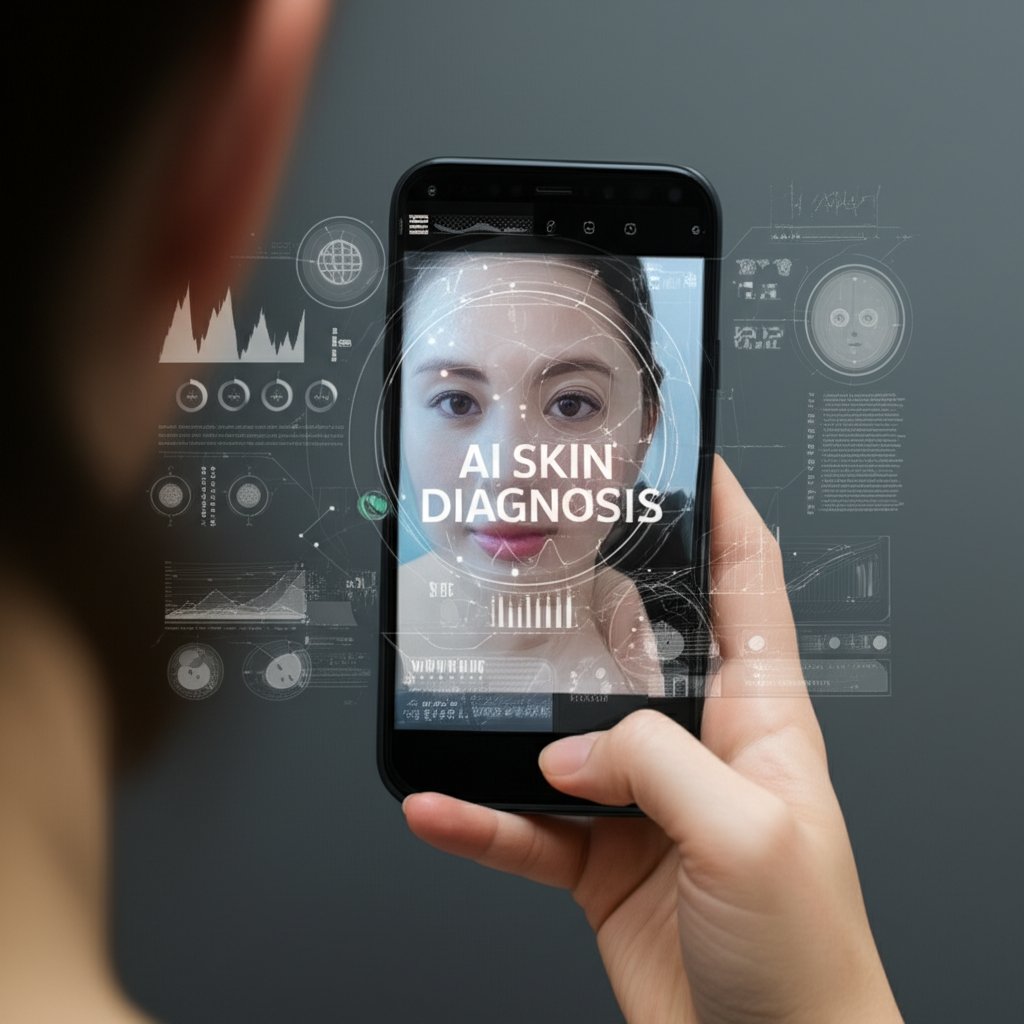 \n\nNavigating combination skin often feels like solving a complex puzzle where traditional "skin type" quizzes frequently fall short. AI moves beyond simple self-assessment to provide a precise, multi-dimensional understanding of your complexion, transforming an everyday selfie into a sophisticated dermatological analysis.\n\nAI platforms employ a comprehensive approach to data collection, building an intricate profile that accounts for both visible and invisible factors to ensure a truly personalized understanding of your unique needs.\n\n### The Power of Visual Analysis\n\nAdvanced photo analysis is a cornerstone of AI skin diagnosis. Algorithms, trained on millions of diverse images, scan your skin from a selfie to assess key metrics with remarkable accuracy, identifying nuances often invisible to the naked eye.\n\nLululab's AI, for instance, achieves at least 90% accuracy scanning for pores, wrinkles, sebum, and redness. These algorithms map your facial landscape, noting variations in:\n\n* Pore Size: Identifying areas prone to congestion or oil.\n* Pigmentation: Detecting dark spots, sun damage, or uneven tone.\n* Redness: Pinpointing inflammation, sensitivity, or rosacea.\n* Texture: Analyzing smoothness, fine lines, and overall surface.\n\nL’Oréal’s SkinConsult AI, trained on millions of facial images, evaluates various skin conditions. Perfect Corp.’s technology detects up to 14 different skin concerns from a single photo. Even tools like SmartSKN PRO’s Muilli AI Dermascope offer 60X magnification for microscopic analysis.\n\n### Beyond the Surface: Contextual Data via Questionnaires\n\nWhile visual data is crucial, your skin health is profoundly influenced by internal and external factors. AI systems complement photo analysis with comprehensive questionnaires to gather vital contextual information, such as:\n\n* Lifestyle: Sleep, exercise, and daily habits.\n* Diet: Nutritional intake impacting skin.\n* Stress Levels: How emotional well-being manifests.\n* Geographical Location: Climate, pollution, and UV index exposure.\n\nProven Skincare, for example, uses detailed questionnaires collecting data on medical history, stress levels, diet, and environmental exposures. This holistic approach ensures AI considers your entire life context, similar to how Nivea's SKiN GUiDE app refines recommendations with lifestyle questions.\n\n### Synthesizing for a Holistic Profile\n\nThe true power of AI lies in data synthesis. AI systems cross-reference your visual and contextual inputs against vast databases of dermatological research and ingredient efficacy studies. Here, advanced machine learning, particularly deep learning, identifies complex patterns and correlations that would otherwise be missed.\n\nBy combining selfie visuals with lifestyle insights, the AI constructs a truly holistic profile of your skin's unique needs, delivering an objective and highly personalized diagnosis for balanced care.\n\n> Note: The goal is to understand the interconnectedness of your skin's characteristics and environmental influences, not just identify surface-level issues.\n\nBy synthesizing visual, environmental, and lifestyle data, AI creates a multi-dimensional skin diagnosis that is far more granular and actionable than self-assessment alone.\n\n## Smarter Formulations: Targeted Ingredients for Every Zone\n\nCombination skin demands different care for its oily and dry areas. Historically, this meant juggling multiple products or compromising with a one-size-fits-all solution. AI is transforming this approach, moving beyond generic advice to craft integrated solutions that bring your entire face into balance.\n\n
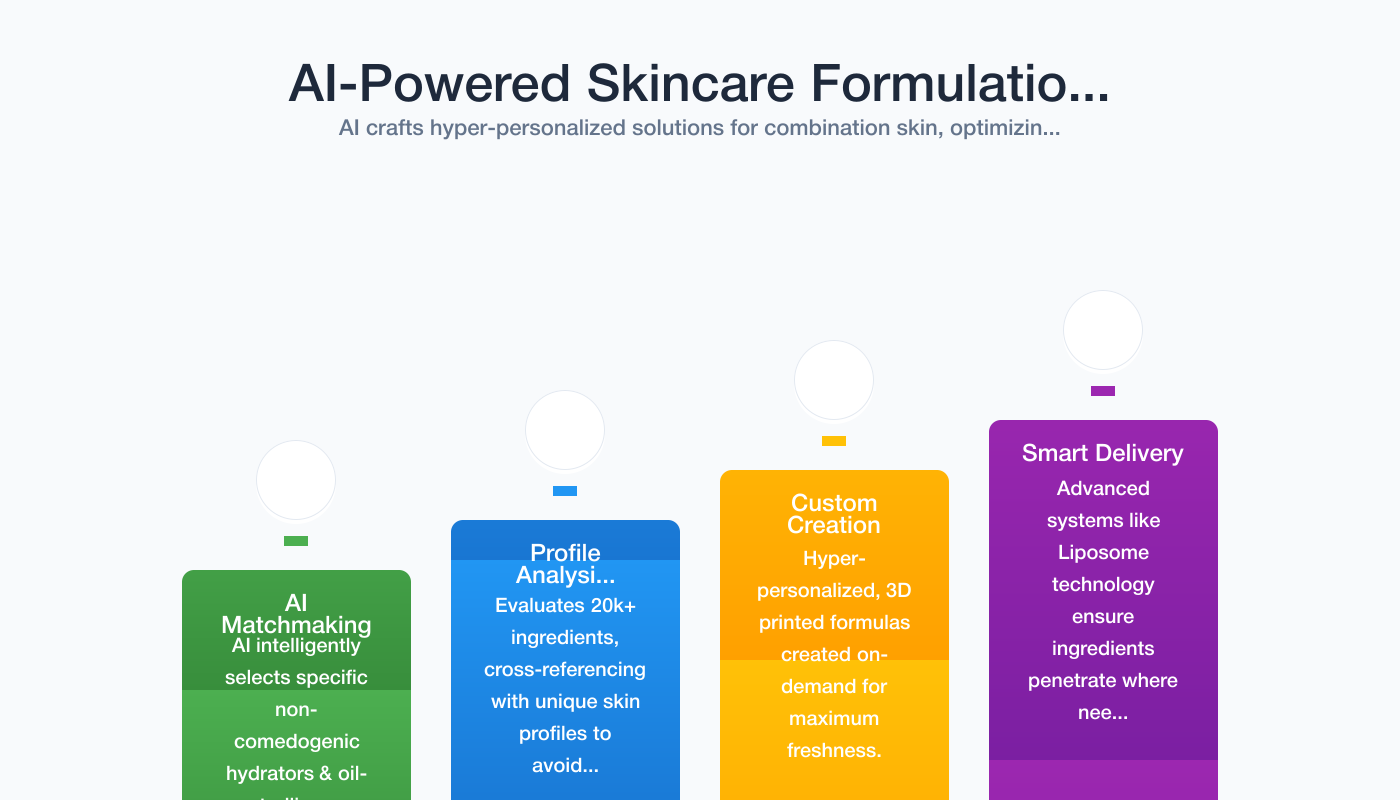 \n\nAI excels at intricate ingredient matchmaking. It intelligently selects non-comedogenic hydrators like hyaluronic acid or ceramides for drier zones while simultaneously identifying gentle oil-controlling actives like niacinamide or salicylic acid derivatives for your T-zone. This sophisticated selection ensures each area receives precisely what it needs within a single, coherent regimen.\n\nThe power behind this precision lies in AI's analytical capabilities. Systems like Proven Skincare’s ‘Skin Genome Project’ evaluate over 20,000 unique ingredients and cross-reference them with your specific profile. This process avoids common irritants, potential allergens, or conflicting compounds, significantly reducing the trial-and-error often associated with finding the right products.\n\nThis technological leap leads to hyper-personalized, often on-demand products. Innovative services, such as K-OWN by SmartSKN, utilize 'mini smart factories' capable of 3D printing a custom formula when you order it. This ensures maximum freshness and potency, as the product is made to reflect your skin’s current needs.\n\nBeyond ingredient selection, AI integrates advanced delivery systems into its formulations. It can determine when to incorporate technologies like Liposome Smart Delivery Technology, which SmartSKN utilizes. These microscopic capsules ensure active ingredients penetrate exactly where they are needed most, enhancing absorption and effectiveness for both oily and dry patches.\n\n> Note: The precision of AI-driven formulation means you can trust your product to work harmoniously across your entire face, eliminating the need for separate treatments for varying skin concerns.\n\nBy analyzing your unique profile against vast ingredient databases and leveraging cutting-edge manufacturing, AI delivers sophisticated solutions where every component is optimized for true facial balance.\n\n## Beyond Static Routines: Skincare That Adapts to Your Life\n\n
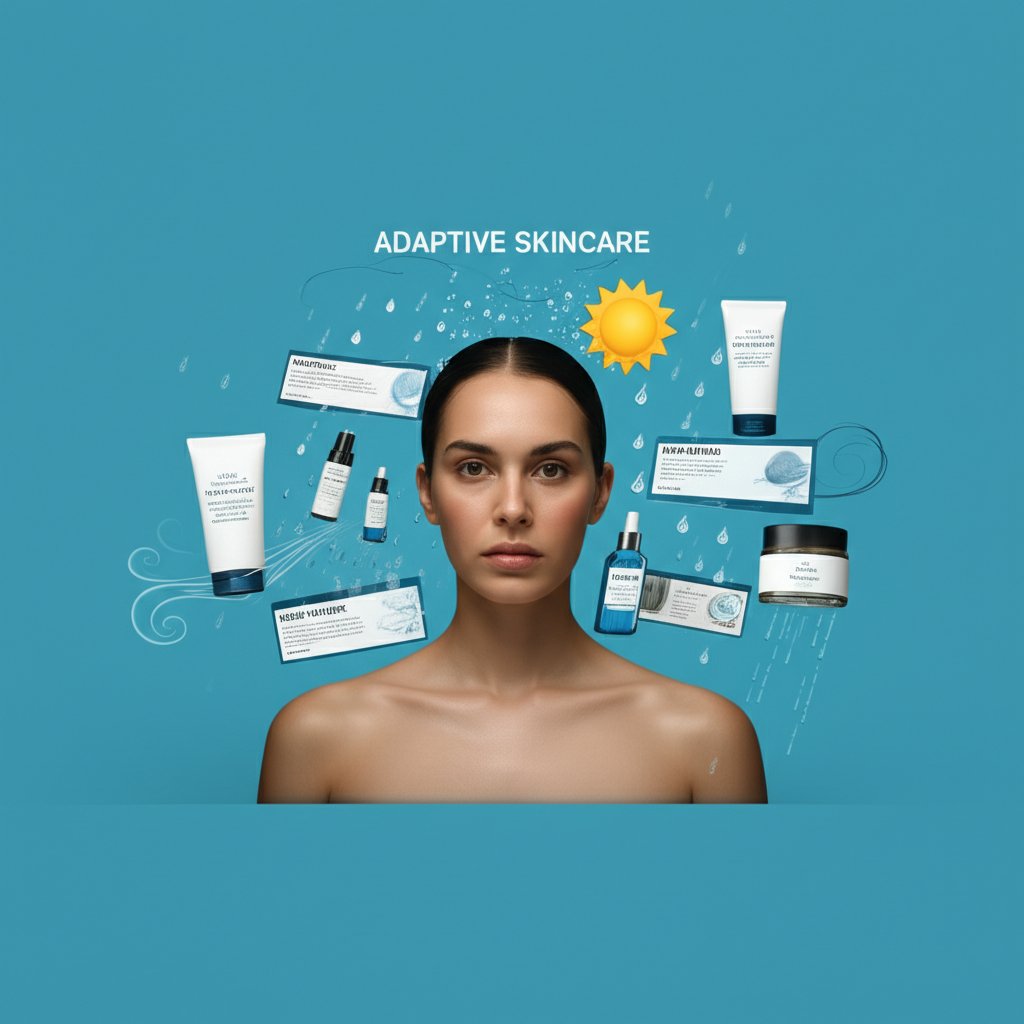 \n\nTraditional skincare routines often fail because our skin is not a static canvas; it is a dynamic organ. Recognizing this, AI-powered skincare offers a transformative shift, providing an ongoing, adaptive solution rather than a one-time fix.\n\nAI systems integrate real-time environmental data, such as local weather patterns and UV index, to understand external pressures on your skin. On a high-humidity day, your system might recommend a lighter, gel-based moisturizer to prevent excess oil, while a week of high UV exposure could prompt an emphasis on antioxidant-rich products. This responsiveness ensures your skin receives precisely what it needs, when it needs it.\n\nThe adaptive power also extends to your direct feedback. As you report how your skin is responding, the AI refines its future recommendations. This continuous learning is crucial; research shows that AI systems can dynamically adjust product recommendations in response to shifting environmental stressors and user input, ensuring maximum efficacy (Scientific Paper, 2023).\n\nThis creates a powerful feedback loop, allowing your skincare to evolve as your skin, environment, and internal factors change. Devices like L'Oréal's Perso device concept already demonstrate this by factoring in real-time environmental data, while platforms such as Shiseido’s Optune leverage user data to customize fresh formulations. This approach tackles the familiar problem of a favorite product suddenly "stopping working" because external conditions have shifted.\n\n> Note: AI systems can continuously track changes in skin conditions by analyzing user-submitted photographs over time, adding another layer of data for personalized adjustments.\n\nAI-powered skincare acts as a responsive, long-term partner, making constant micro-adjustments to keep your complexion perfectly balanced through every changing condition.\n\n## A Reality Check: The Limitations of AI in Skincare\n\nWhile AI offers transformative potential for personalized skincare, it is essential to approach it with a balanced understanding of its current limitations. Building trust means being transparent about what AI can—and cannot—do. One significant consideration is data privacy. AI-based systems often require sharing sensitive personal information, including facial images and health details, and users must be comfortable with how their data is protected (GDPR Guidelines, 2018).\n\nAnother crucial point is the potential for algorithmic bias. If an AI system is predominantly trained on datasets from specific demographics or skin tones, its recommendations may be less accurate for individuals with different complexions. For example, a system trained primarily on lighter skin tones could generate suboptimal recommendations for individuals with darker skin tones (Industry Discussions on AI Bias, 2023).\n\nFurthermore, AI cannot diagnose medical conditions. It is a powerful tool for analyzing cosmetic concerns, but it is not a substitute for a consultation with a board-certified dermatologist. For conditions like severe acne, eczema, or suspicious moles, professional medical advice remains irreplaceable.\n\nLastly, the technology does not yet account for personal sensory preferences. The texture, absorption rate, or scent of a product are highly subjective elements that significantly impact user experience. These preferences, critical to daily enjoyment, are still beyond AI's analytical capabilities.\n\n> Note: Human input and dermatological expertise remain important in balancing scientific recommendations with individual preferences and ensuring safety.\n\nWhile transformative, AI skincare is a tool, not a panacea, and users must be mindful of its limitations regarding data privacy, potential bias, and the irreplaceable value of professional medical advice.\n\n## Your Next Steps Toward a Balanced Complexion\n\nBy embracing AI-driven personalization, you can move from managing the symptoms of combination skin to addressing its root causes with an intelligent and responsive strategy. This advanced approach offers a clear path to end the expensive and frustrating trial-and-error cycle. Instead, you gain access to precise diagnoses, balanced formulations, and an adaptive routine perfectly suited for your unique skin.\n\nReady to transform your skincare journey? Here are some actionable steps:\n\n1. Explore AI Skin Analysis Tools: Start by trying a reputable, accessible AI skin analysis tool. Many major brands, like L'Oréal and Nivea, offer free online or app-based diagnostics that provide a valuable baseline understanding of your skin's current state.\n2. Evaluate Personalized Products: When considering a personalized product, look for transparency. Understand how the company utilizes your data and what ingredients they prioritize. While AI platforms analyze images for recommendations (Gartner, 2023), always be mindful of data privacy and algorithmic bias.\n3. Provide Feedback and Be Patient: Your skin is dynamic. As you integrate AI-recommended products, actively provide feedback to the system to help refine future suggestions. Remember that consistency and patience are key to seeing lasting improvements.\n\nThe growing market for AI in cosmetics, projected to reach over $4.7 billion by 2030 (Grand View Research, 2023), indicates strong consumer adoption, and success stories from brands like Proven Skincare highlight the tangible benefits.\n\n> Note: Use AI as your personal skincare consultant to navigate product choices. However, always consult a board-certified dermatologist for any persistent medical skin concerns.\n\n**Embracing AI solutions allows you to achieve a beautifully balanced complexion tailored just for you.**\n\nThe journey to balanced combination skin no longer requires a continuous cycle of guesswork. Artificial Intelligence offers a sophisticated, data-driven approach that moves beyond broad categories to treat your unique complexion with unprecedented accuracy. By delivering precise analysis, targeted formulations, and adaptive routines, AI addresses the core challenge of combination skin: providing harmonious care to both oily and dry areas simultaneously.\n\nThe future of skincare is not about compromise, but intelligent customization. For those ready to move past generic advice, exploring AI-powered skincare platforms can be a transformative step toward achieving lasting skin balance and a radiant, confident complexion.
Tags
Related Articles
AI-Powered Customization: The Essential Future of Skincare
AI in Skincare: Unlock Your Best Complexion with Cosmi