Beyond the Bin: A Guide to Eco-Friendly Skincare Packaging
Read about Beyond the Bin: A Guide to Eco-Friendly Skincare Packaging on Cosmi Skin
Imagine a world where over 95% of all cosmetic packaging becomes waste after just one use. For too long, the beauty industry has operated within this unsustainable cycle, contributing significantly to landfill and ocean pollution.
But the tide is turning. Consumers are demanding better, and brands are responding, with over 70% already embracing eco-friendly solutions. This isn't merely a trend; it's a critical transformation for the entire industry, and navigating it successfully is key to future-proofing your brand.
Dive into "Beyond the Bin," your comprehensive roadmap to mastering eco-friendly skincare packaging – a journey that promises not just reduced environmental impact, but enhanced brand loyalty and unprecedented growth.
The Unavoidable Shift: Why Sustainable Packaging is Now Table Stakes
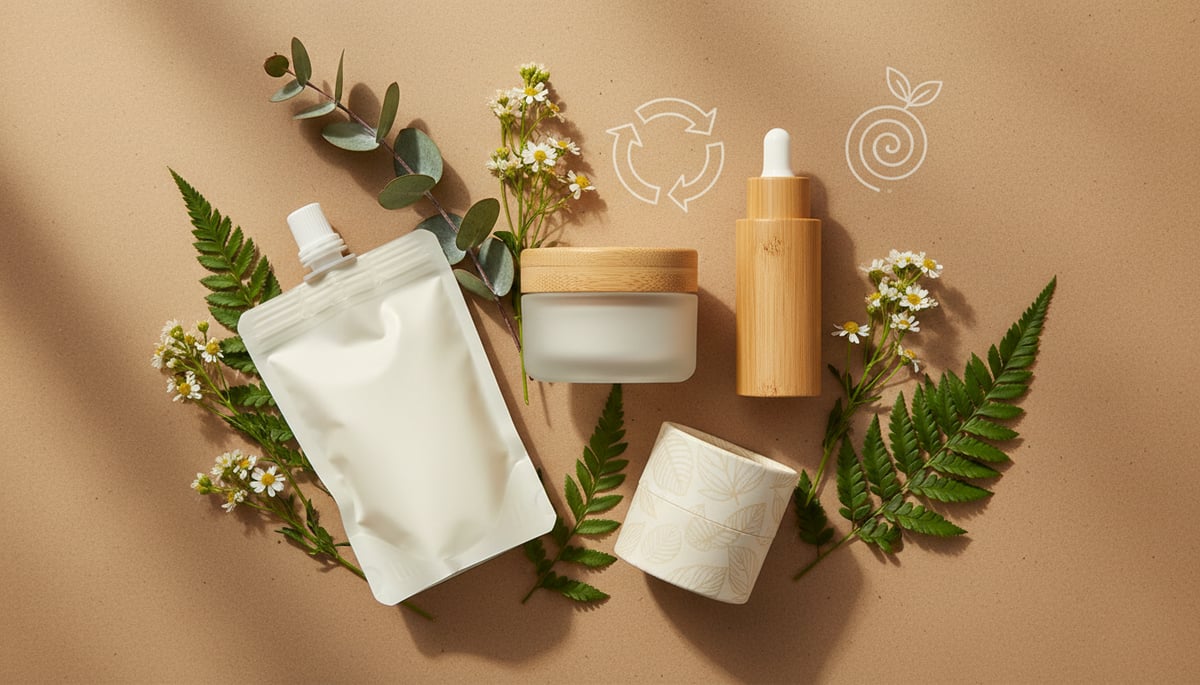
The cosmetic packaging market is a colossus, currently valued at an impressive USD 35,379.27 million in 2024. This market isn't just growing; it's projected to reach over USD 50 billion by 2033, with sustainable solutions now its primary driver. This monumental shift isn't merely a trend; it's a fundamental recalibration driven by both environmental necessity and powerful consumer demand.
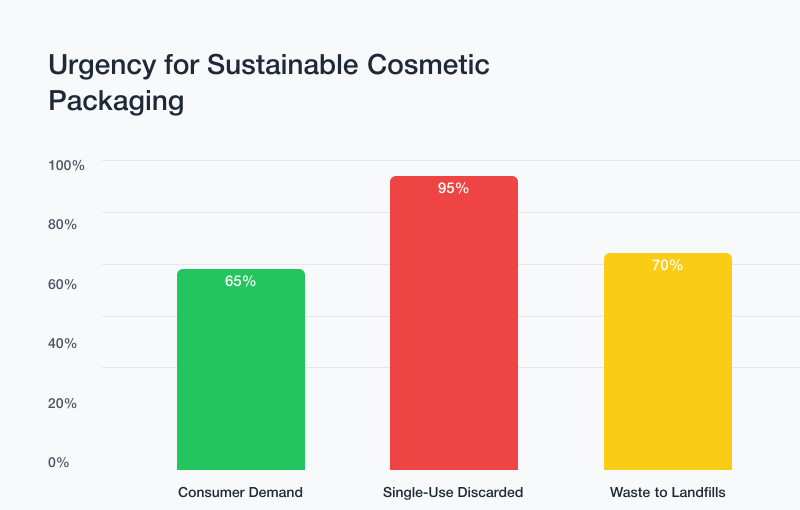
Consumers are actively seeking out brands that align with their values. Over 65% of beauty consumers now actively look for brands that use sustainable packaging, directly influencing their purchasing decisions. This preference isn't just a survey statistic; it translates into tangible market share. Brands ignoring this growing demand risk falling behind.
The traditional linear "take-make-dispose" model is demonstrably unsustainable. A staggering 95% of all cosmetic packaging is discarded after a single use. Even more concerning, 70% of that waste ends up directly in landfills, contributing to pollution and resource depletion. This ecological footprint is no longer acceptable to a well-informed consumer base.
Recognizing this, regulatory bodies globally are stepping up pressure. Governments are increasingly mandating circular economy principles, pushing brands to drastically reduce single-use plastic and embrace responsible end-of-life solutions. Major players like L'Oréal have already committed to making all plastic packaging reusable, recyclable, or compostable by 2030, a clear signal of the industry's direction (L'Oréal, 2023). This proactive adoption helps future-proof businesses against upcoming regulations and competitive pressures.
Note: The shift to sustainable packaging is a proactive measure that mitigates regulatory risks and enhances brand appeal in a competitive market.
Adopting eco-friendly packaging is no longer a marketing choice but a core business imperative for relevance and survival in the modern beauty landscape.
Decoding the Options: A Guide to Key Eco-Friendly Innovations
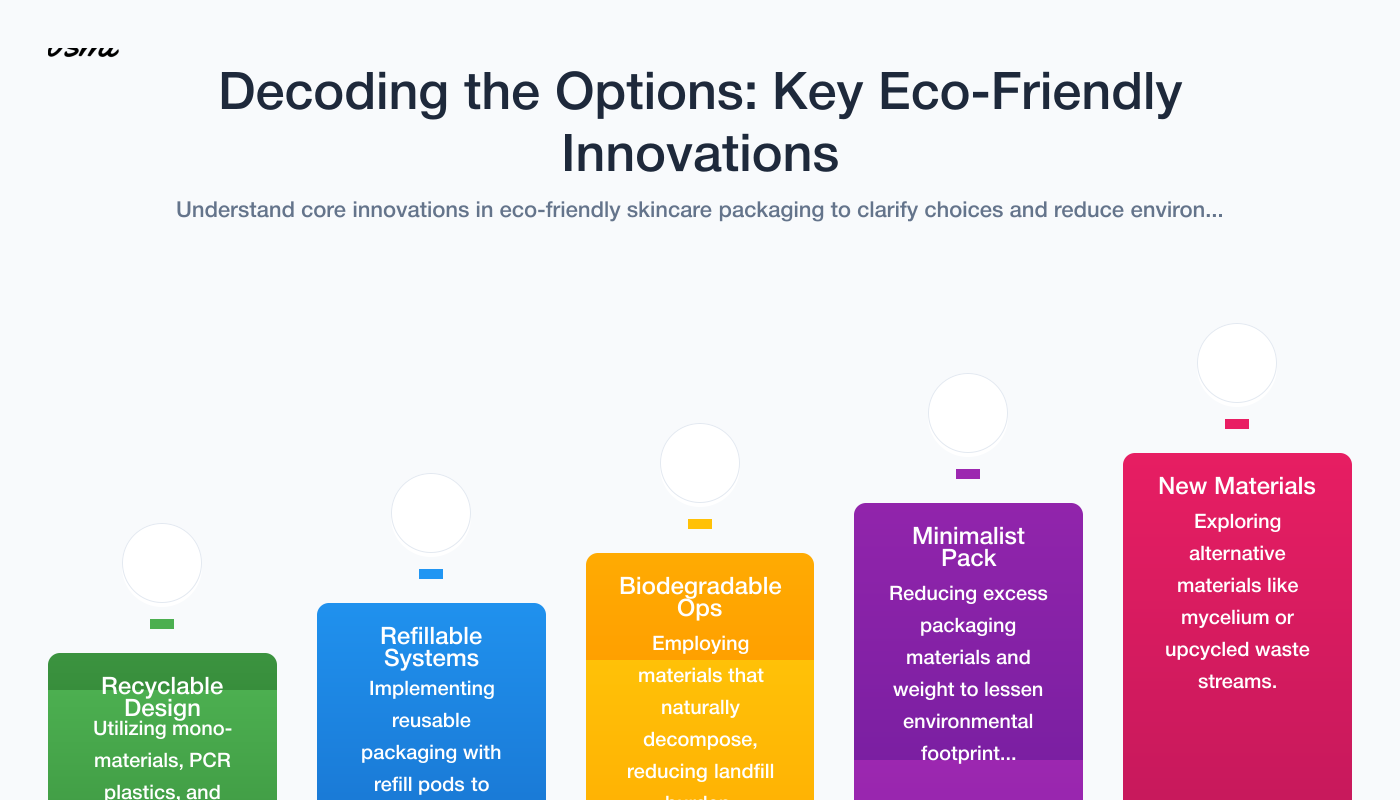
Navigating the landscape of eco-friendly skincare packaging can feel complex, but understanding the core innovations helps clarify choices. Modern solutions offer diverse approaches to reducing environmental impact without compromising product integrity or user experience. Brands can strategically select options that best suit their product formulations and target audience.
Refillable Systems
Refillable packaging represents a significant stride towards waste reduction by keeping durable containers in circulation. Customers purchase a product in a robust, often aesthetically pleasing primary container, then repurchase only the product in lighter, recyclable, or compostable refill pods. This model fosters a circular economy by minimizing the production of new primary packaging.
- Benefits: Dramatically reduces single-use plastic, builds customer loyalty through repeat purchases, and can elevate the perception of luxury.
- Ideal Use Cases: High-volume products like cleansers, moisturizers, and serums.
- Examples: Brands like L'Oréal and The Body Shop have successfully launched refillable skincare lines, demonstrating market acceptance and operational feasibility (L'Oréal, 2023; The Body Shop, 2023). This trend is expected to grow by over 45% in the next decade (Future Market Insights, 2023).
Post-Consumer Recycled (PCR) Content
PCR packaging incorporates plastics that have already been used, collected, sorted, cleaned, and reprocessed into new material. By utilizing existing plastic waste, PCR reduces the demand for virgin plastic production, thereby conserving fossil resources and decreasing energy consumption.
- Benefits: Reduces reliance on virgin plastics, diverts waste from landfills, and often improves a brand's sustainability score. Over 55% of companies are committed to reducing virgin plastic usage (ProAmpac, 2022).
- Ideal Use Cases: Bottles, jars, and tubes for a wide range of skincare products.
- Considerations: Availability and quality of PCR can vary, affecting cost and final aesthetic.
- Examples: Packaging manufacturers like Albéa have expanded their offerings of PCR-based tubes, making this a widely accessible option for brands (Alb
éa, 2023).
Mono-Material Design
Mono-material packaging is constructed from a single type of plastic (e.g., all PET or all PP). This uniformity significantly simplifies the recycling process, as multi-material packaging often cannot be efficiently separated and recycled. By using one material, the entire package becomes more readily recyclable in existing streams.
- Benefits: Enhances recyclability, reduces complexity for consumers and recycling facilities.
- Ideal Use Cases: Tubes, bottles, and caps where material consistency is achievable.
- Examples: Albéa, a key packaging supplier, also focuses on developing mono-material solutions alongside PCR, streamlining the end-of-life process for many beauty products (Alb
éa, 2023).
Biodegradable & Compostable Materials
These materials are designed to break down naturally in specific environments, returning to the earth without leaving harmful harmful residues. Biodegradable materials decompose through biological processes, while compostable materials meet specific standards for industrial composting, turning into nutrient-rich soil.
- Benefits: Reduces long-term waste, can offer an appealing "natural" image. Biodegradable plastics are expected to grow by over 55% in the coming years (Statista, 2023).
- Ideal Use Cases: Dry products like solid shampoo bars, product wrappers, or sachets.
- Considerations: Requires specific disposal infrastructures (e.g., industrial composting facilities) which are not universally available. Mislabeling can cause consumer confusion.
- Examples: The rise of waterless beauty products, such as shampoo bars, has enabled wider use of paper-based and compostable packaging, demonstrating innovative application (Cosmetics Business, 2022).
Understanding the distinct advantages of refillable, recycled, mono-material, and biodegradable options allows brands to choose the most effective strategy for their specific products and target audience.
The Business Case: How Sustainability Drives Profitability and Loyalty
Viewing sustainable packaging solely as an environmental cost overlooks its significant financial upsides. In today's market, integrating eco-friendly practices is a strategic investment that generates tangible returns, enhancing profitability, and securing long-term customer loyalty. It's about building a resilient, future-proof business. This is a core philosophy for any future-forward skincare brand.
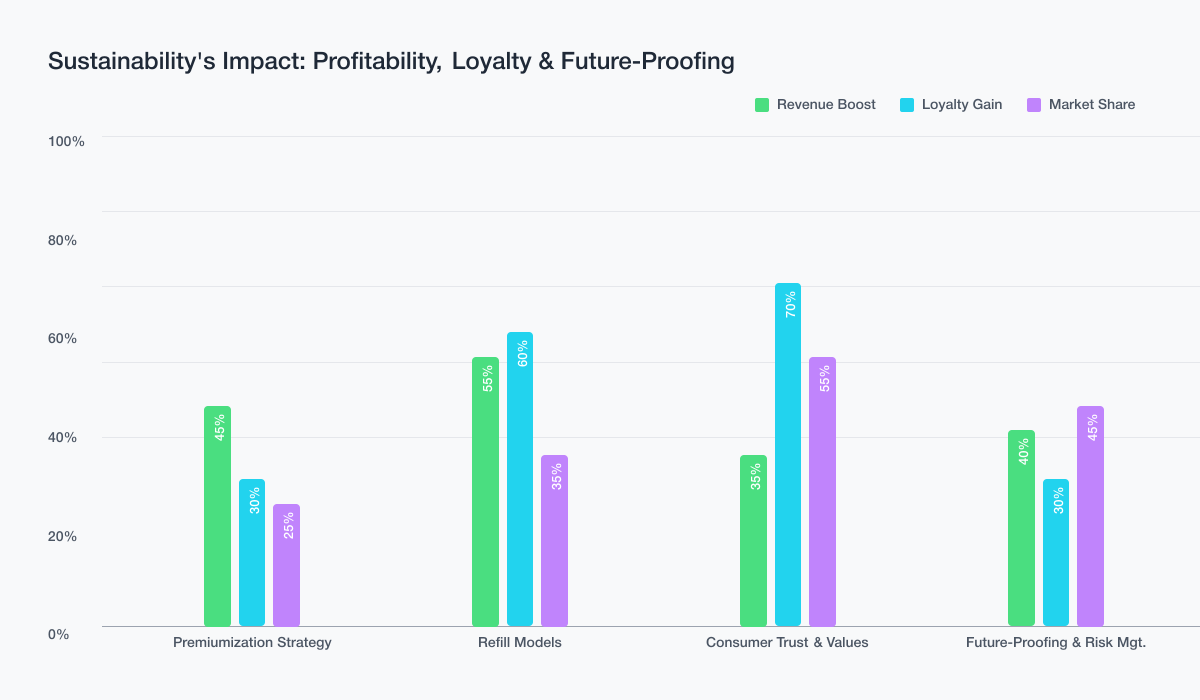
Eco-friendly packaging often aligns with premiumization strategies. Sustainable materials, particularly those with innovative designs or refill systems, can be associated with luxury and exclusivity. This allows brands to justify higher price points and attract affluent consumers who are willing to pay more for ethically produced goods. In fact, premium brands have experienced a growth rate of over 40% in the past five years, indicating a strong market for high-value, sustainable products (NielsenIQ, 2023).
Refill models, in particular, establish powerful recurring revenue streams. By encouraging customers to return for refills, brands effectively create an ecosystem, much like a subscription service, significantly increasing customer lifetime value. This "lock-in" effect builds habitual purchasing behaviors and fosters deep brand loyalty, reducing customer acquisition costs over time.
Strong sustainability credentials are also potent trust builders. Brands with transparent sustainability reports consistently rank higher in consumer trust studies (Edelman, 2023). This is especially critical for Millennial and Gen Z consumers, over 50% of whom prefer interactive packaging that enhances their purchasing experience and aligns with their values (McKinsey, 2022). These generations actively seek out brands that reflect their environmental concerns, making sustainability a key differentiator and loyalty driver.
Proactively adopting sustainable practices also acts as a crucial future-proofing mechanism. It helps businesses stay ahead of increasingly stricter global regulations, avoiding potential fines and ensuring market access. Furthermore, a diversified packaging strategy can mitigate supply chain risks associated with volatile virgin plastic markets. This foresight offers a competitive advantage and positions a brand as an industry leader rather than a follower. With online beauty purchases accounting for over 40% of total sales (Statista, 2023), robust and appealing sustainable packaging becomes even more critical for a consistent brand experience across all touchpoints.
Investing in sustainable packaging is not an expense but a strategic investment that builds brand equity, captures new market segments, and secures long-term growth.
Navigating the Hurdles: Implementation Challenges and How to Avoid Greenwashing
Transitioning to eco-friendly skincare packaging, while commendable, presents a complex landscape of practical and ethical challenges. Brands often face significant hurdles, starting with the initial investment required for sustainable materials and processes. It's crucial to approach this shift with a clear understanding of potential pitfalls.
One of the most immediate barriers is cost. Eco-friendly packaging, from recycled glass to plant-based plastics, can be over 30% more expensive than conventional plastic options, according to industry analysis. These higher material costs, coupled with evolving logistics for e-commerce, which have seen a 20% increase in related expenses over the last five years, can strain budgets, particularly for smaller brands. Moreover, the fluctuating cost of raw materials, which can vary by over 20% annually, makes long-term financial planning challenging.
Beyond cost, ensuring product stability and safety is paramount. Some sustainable materials may not yet offer the same barrier protection against light, air, or moisture as traditional plastics, potentially compromising the integrity and shelf-life of sensitive skincare formulations. Strict European sustainability guidelines, for instance, mandate compliance from over 35% of cosmetic products, underscoring the real regulatory and quality risks involved. Brands must rigorously test new packaging to confirm it meets safety and performance standards without exception.
Perhaps the most significant ethical challenge is avoiding 'greenwashing.' This occurs when brands make vague or misleading claims about their environmental efforts, damaging consumer trust more than honest inaction would. Authenticity requires genuine transparency. Savvy consumers are increasingly critical; when Wild deodorant was acquired by Unilever, many users on platforms like Reddit immediately questioned the brand's commitment, citing an increase in 'limited edition' drops that seemed to encourage consumption rather than reduce waste, a perception problem highlighted by user reviews on these platforms.
To genuinely build trust, brands should:
- Be specific: Detail exact materials, percentages of recycled content, and clear recycling instructions.
- Provide evidence: Back up claims with certifications, lifecycle assessments, or partnerships.
- Communicate challenges: Acknowledge difficulties in the sustainable journey, fostering realistic expectations.
- Focus on impact: Articulate the tangible benefits of packaging choices, from reduced carbon footprint to water savings.
Note: Transparency is your most powerful tool against greenwashing. Vague terms like "eco-friendly" without specific data can erode credibility faster than you build it.
Addressing packaging also extends to protecting product integrity from counterfeits, which affect over 25% of global luxury cosmetic sales. Sustainable solutions must integrate robust security features without compromising their environmental goals. A thoughtful, data-driven strategy prevents these issues.
A successful transition requires a clear-eyed assessment of the costs and risks, coupled with a transparent communication strategy that avoids exaggeration and builds genuine consumer trust.
The Future is Smart: Integrating Technology with Sustainability
The landscape of eco-friendly packaging is rapidly evolving, moving beyond just material choices to embrace cutting-edge technology. Smart packaging solutions are emerging as the next frontier, seamlessly blending digital innovation with sustainability efforts to enhance consumer engagement and reduce environmental footprints. This forward-looking approach transforms packaging from a passive container into an active, communicative element.
One significant advancement is the integration of QR codes and NFC (Near Field Communication) tags directly onto packaging. These digital tools are ingeniously replacing traditional paper inserts and leaflets, drastically reducing paper waste. Consumers can simply scan a code to access detailed recycling instructions tailored to their location, comprehensive ingredient lists, or even video tutorials on product usage. More than 50% of beauty brands are already integrating QR codes and augmented reality features into their packaging, demonstrating a clear trend toward digital interaction (Research data).
These technologies also boost transparency by allowing consumers to trace a product's lifecycle, from sourcing to disposal. Imagine verifying the origins of a key ingredient or understanding the environmental impact of its journey to your shelf. NFC tags, for example, can link directly to a brand's refill program, simplifying the reordering process and encouraging a circular economy. This interactive element deepens customer engagement, as over 35% of brands are integrating such interactive elements, fostering a stronger connection with environmentally conscious shoppers (Research data).
Looking ahead, innovations like temperature-sensitive indicators embedded within smart packaging hold immense promise, particularly for organic and natural products. These indicators can alert consumers to potential spoilage, reducing product waste and ensuring optimal product efficacy. Over 25% of high-end brands are already adopting smart packaging with temperature-sensitive indicators, showcasing their potential to prevent premature disposal (Research data). Additionally, anti-counterfeit technology is being incorporated by over 40% of companies to protect brand integrity, an essential feature that smart packaging can integrate.
Technology is transforming packaging from a passive container into an active tool for consumer education, engagement, and improved sustainability outcomes.
Frequently Asked Questions (FAQs)
Navigating the world of eco-friendly skincare packaging often brings up common questions for brands, regardless of their size. Here, we address some of the most pressing concerns, offering practical, data-driven advice to help you move forward with confidence.
How much more expensive is eco-friendly packaging?
Eco-friendly packaging can indeed be more expensive than traditional options. Research indicates that sustainable alternatives can cost upwards of 30% more than conventional plastic packaging. This price difference stems from the cost of innovative materials, specialized manufacturing processes, and sometimes smaller production scales. However, this investment often yields long-term benefits in brand perception and consumer loyalty. For small brands, starting with more affordable, yet impactful, options like eliminating secondary boxes or using recycled kraft paper can be a great first step, demonstrating commitment without overwhelming budgets.
What are the best materials for eco-friendly skincare packaging?
The "best" material often depends on your product's formulation and specific needs. While plastic still holds over 60% market share due to its versatility, glass accounts for 20%, and paper for 15% (Research data).
- Glass: Excellent for product stability and infinitely recyclable, but heavier and more fragile.
- Aluminum: Lightweight, durable, and highly recyclable, suitable for various formulations.
- Post-Consumer Recycled (PCR) plastics: Reduces reliance on virgin plastics, offering a more sustainable plastic option.
- Bio-plastics: Derived from renewable sources, though their recyclability can vary.
A product's formulation, such as whether it is water-based or oil-based, is a primary factor in determining suitable packaging material, as it dictates the required barrier properties. Always prioritize materials that are genuinely recyclable or refillable within existing infrastructure.
How can a small brand start its journey toward sustainable packaging?
Small brands can begin by implementing accessible and impactful changes, a strategy often seen in the clean beauty space. Start by conducting an audit of your current packaging to identify areas for improvement.
- Eliminate unnecessary components: Can you remove secondary boxes, plastic spatulas, or excessive inserts?
- Opt for mono-material designs: Packaging made from a single material (e.g., all glass, all aluminum) is easier to recycle.
- Choose recycled content: Switch to PCR plastic bottles or jars, or use recycled paper for labels and boxes.
- Embrace refillable options: Even a simple refill pouch for a popular product can make a difference.
- Be transparent: Clearly communicate your efforts, challenges, and progress to your customers. Honesty builds trust.
Remember, every step counts, and a phased approach is often more manageable and effective than trying to overhaul everything at once.
Addressing common concerns head-on provides the final layer of practical guidance needed for brands to move from consideration to action.
The journey beyond the bin is not merely an environmental imperative but a strategic necessity for the modern skincare brand. As consumer expectations rapidly evolve, embracing eco-friendly packaging has become a defining characteristic of market leadership and authentic brand values. This guide has outlined the essential facets of this transformation, providing a clear roadmap for navigating this pivotal shift.
Here are the key takeaways from our exploration:
- The Shift is Non-Negotiable: Sustainable packaging is no longer a niche trend but a fundamental expectation, critical for maintaining relevance and meeting rising consumer demand in a market where over 70% of brands are already adapting.
- Diverse Innovations Exist: From sophisticated refillable systems and lightweight post-consumer recycled (PCR) plastics to biodegradable alternatives, a range of material innovations offers practical pathways to significantly reduce environmental impact.
- Sustainability Fuels Growth: Beyond ecological benefits, adopting sustainable packaging strategies builds lasting brand loyalty, enhances reputation, and drives profitability by appealing to an increasingly conscious consumer base.
While the transition presents its complexities, the long-term benefits of investing in sustainable packaging far outweigh the initial challenges, paving the way for a more resilient and responsible beauty industry.
Proactive engagement with sustainable practices will not only reduce your environmental footprint but also fortify your position in a future-forward market.